Schedule Alignments: Fixture Lists and Racecards in Multi-Event Betting Approaches

Modern wagering often involves aligning soccer fixture lists with horse racing racecards to identify periods when multiple events occur in close succession, which creates opportunities for coordinated betting strategies across different sports. Bettors examine start times, venue details, and participant information from both sources simultaneously because overlaps in scheduling can influence market movements and accumulator structures. Data from the Victorian Responsible Gambling Foundation shows that participants who track such alignments report higher volumes of multi-leg wagers during weekends when English Premier League matches coincide with major race meetings at tracks like Cheltenham or Ascot.
Core Elements of Fixture Lists and Racecards
Fixture lists provide dates, kickoff times, team lineups, and competition structures for soccer events while racecards detail horse names, jockey assignments, distances, and going conditions for each race. When these documents are placed side by side, patterns emerge around simultaneous events such as a 3pm Premier League kickoff occurring within thirty minutes of a feature chase at a UK track. Observers note that these temporal proximities allow bettors to monitor live odds across platforms without needing separate sessions for each sport. Industry reports indicate that operators adjust liquidity in related markets during these windows because volume spikes occur when football and racing audiences overlap.
Methods for Identifying Synergies
Cross-referencing begins with digital spreadsheets or specialized software that imports fixture data from league calendars and racecard information from official racing authorities. Users filter for time bands where events fall within a two-hour window, then flag combinations that share common characteristics such as strong favorites or weather-affected conditions. Research from the International Betting Integrity Association highlights that coordinated monitoring of these windows reduces exposure to isolated market swings because losses in one leg can sometimes be offset by gains in another when correlations are tracked in advance. Those who maintain updated databases find that late changes, including team news or non-runners, appear more manageable when both schedules are reviewed together rather than in isolation.
Practical Applications During Peak Periods
During May, when the racing calendar features major festival meetings and the soccer season approaches its conclusion, the density of overlapping events increases significantly. Bettors who prepare cross-referenced schedules ahead of these periods can plan accumulator selections that span both codes. Figures from Canadian regulatory reviews show similar patterns during summer months when North American horse racing circuits run parallel to major league baseball and soccer seasons. The approach allows participants to adjust stakes dynamically as one event concludes and the next begins, particularly when in-play options remain available across platforms.
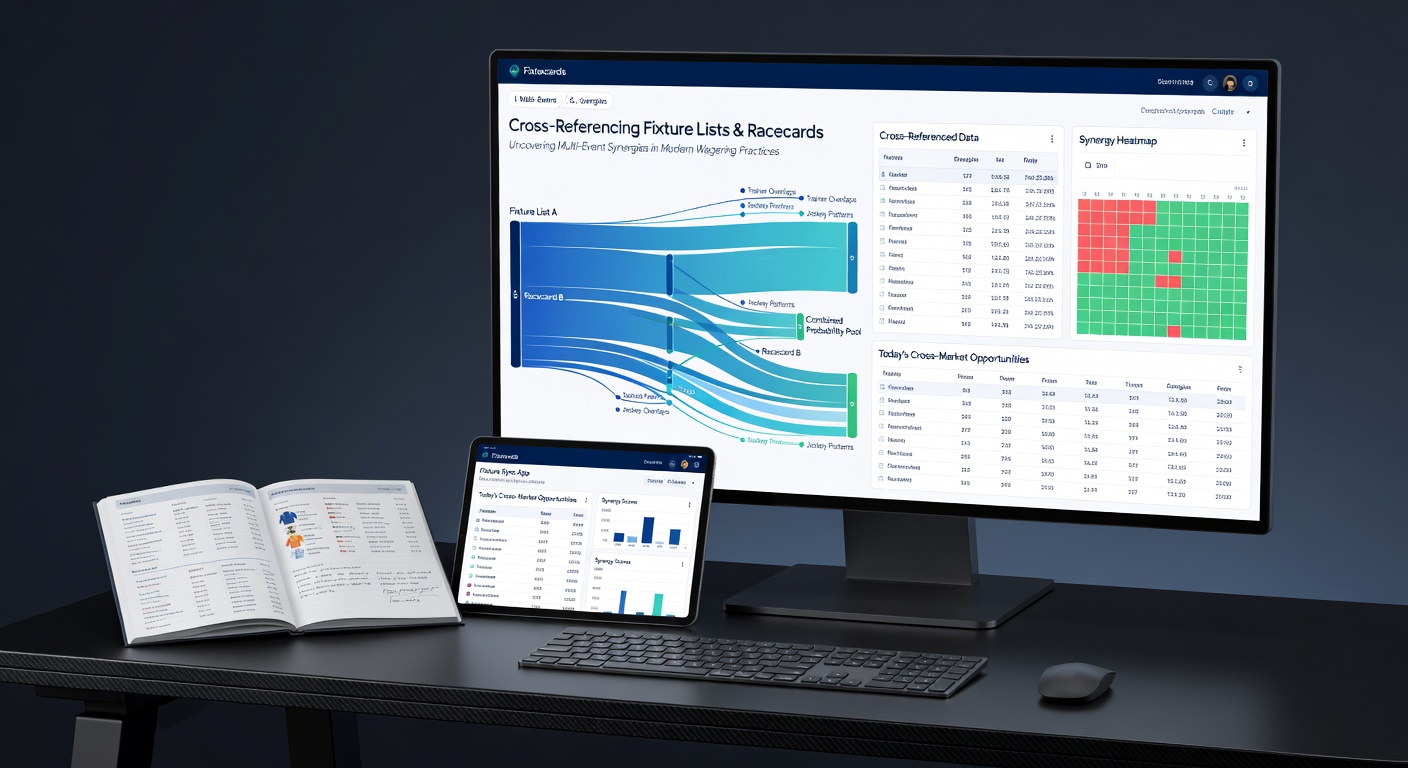
Market makers respond to these overlaps by tightening spreads on correlated outcomes because simultaneous action draws attention from multiple customer segments. Studies conducted by academic groups in Australia reveal that bettors who systematically compare schedules achieve more consistent participation rates across an entire weekend compared with those who focus on single-sport calendars. The practice also extends to ante-post markets where early prices on future races can be assessed against confirmed soccer fixtures weeks in advance.
Tools and Data Integration Practices
Specialized applications now import fixture lists directly from league APIs and racecards from official stewards, then highlight potential multi-event clusters through color-coded timelines. Users apply filters for specific leagues or track surfaces before generating daily reports that list viable combinations. Evidence from European research institutes demonstrates that such automated cross-referencing reduces manual errors when large numbers of fixtures and races appear on the same day. Participants often maintain backup manual checks to verify last-minute alterations announced by governing bodies.
Conclusion
Cross-referencing fixture lists with racecards has become a standard component of multi-event wagering as scheduling data grows more accessible through digital channels. The method supports identification of overlapping windows that influence market behavior and accumulator construction. Industry data continues to track how these practices evolve alongside changes in event calendars and platform features, including developments expected around May 2026 when several operators adjust retail footprints in response to fiscal pressures. Continued integration of scheduling tools allows participants to maintain structured approaches across both soccer and horse racing without relying on fragmented information sources.