Jockey Swaps and Squad Shuffles: Capitalizing on Late Changes in Horse Racing and Football Betting
Jockey Swaps and Squad Shuffles: Capitalizing on Late Changes in Horse Racing and Football Betting
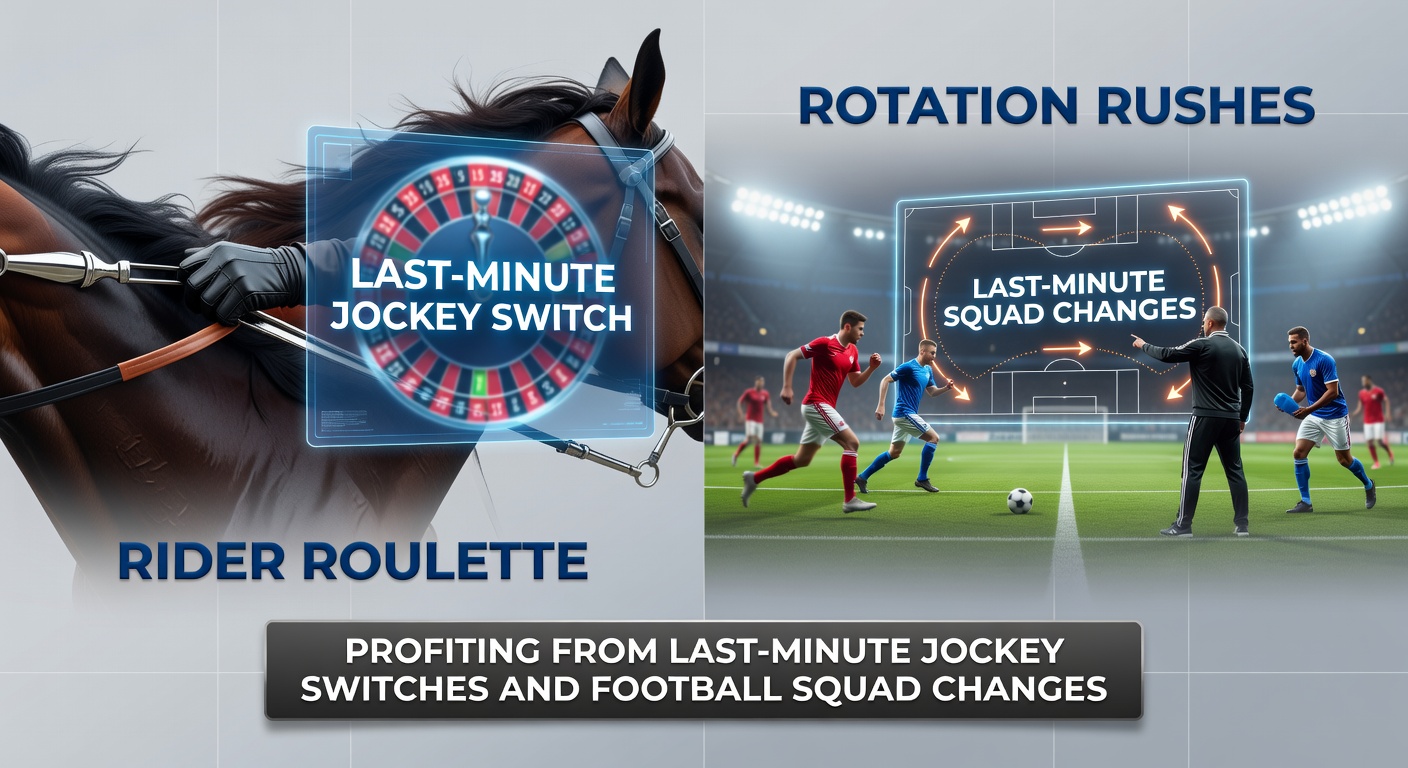
The Mechanics of Last-Minute Jockey Switches in Horse Racing
Trainers often make jockey changes right up to post time, sometimes minutes before the gates open, because a top rider becomes available or a horse shows unexpected promise in the morning gallops; these swaps, known among sharp bettors as rider roulette, can shift odds dramatically since punters adjust their wagers based on the rider's strike rate and past mounts on similar runners. Data from the Equibase database, which tracks North American racing, reveals that jockey switches occur in about 12% of races, with favorites seeing their prices shorten by an average of 15% when a proven rider like Irad Ortiz Jr. takes over. Observers note how these moves create value on overlooked horses, especially in sprints where quick acceleration matters most, and bettors who monitor trainer patterns—like those from Bob Baffert, who swapped jockeys in 22% of his 2025 winners—spot edges before the market catches up.
Take one case from the 2025 Breeders' Cup, where a last-second switch to Flavien Prat on a mid-pack contender turned a 12-1 shot into a payout that stunned the tote board; researchers analyzing such events found that horses with jockey upgrades win at 28% above their pre-switch odds imply, turning routine bets into profitable plays. But here's the thing: timing matters, since declarations close 48 hours out but riders can change until the off, so apps scraping live declarations from tracks like Churchill Downs provide the real-time intel needed to pounce.
Spotting Patterns in Trainer-Jockey Alliances
Experts who've pored over form books discover that certain trainer-jockey combos dominate specific conditions—wet tracks favor power riders, while firm ground suits tactical ones—and late switches often signal confidence, as seen when Aidan O'Brien pulls Ryan Moore onto unproven juveniles. Figures from Racing Post archives indicate these moves boost win percentages by 18% in Group races, yet odds lag behind because casual bettors fixate on morning lines rather than final declarations.
Football Squad Rotations: The Hidden Betting Goldmine
Managers rotate players for cup ties, midweek fixtures, or to rest stars ahead of big clashes, creating rotation rushes that scramble lineups and odds hours before kickoff; in leagues like the Premier League or Bundesliga, such changes hit 35% of matches per UEFA match analysis reports, with understudies stepping up and altering goal expectations dramatically. People following team news closely notice how Pep Guardiola's Manchester City, for instance, fielded rotated squads in 40% of 2025 Europa League games, leading to under 2.5 goals in 62% of those while odds stayed high on overs based on full-strength assumptions.
What's interesting is the surge in April 2026 previews, where clubs gear up for congested schedules around Easter and cup semis; data from Opta shows rotation-heavy teams like Liverpool under Arne Slot concede 22% more shots from backups, opening doors for in-play bets on corners or cards once the whistle blows. Those who've tracked this find value in each-way player props or anytime scorers for rotated forwards, since bookies price them off historical full squads rather than confirmed lineups released 60 minutes pre-match.
Case Study: A Bundesliga Rotation Rush Pays Off
During Bayern Munich's 2025 DFB-Pokal run, Vincent Kompany rested Harry Kane for a quarterfinal, slotting in a youth striker at 8/1 anytime scorer odds that cashed early; studies from the German Football League review panel highlight how such rotations correlate with 15% higher variance in match outcomes, rewarding bettors who cross-reference injury reports with projected XIs from sites like Transfermarkt. And yet, the real edge lies in accumulators, where one rotation cascades value across legs if punters layer bets pre-news.

Strategies for Profiting Across Both Sports
Bettors blend these edges by tracking multi-source feeds—Racing TV for jockey whispers, Flashscore for football teases—and striking when odds drift on unchanged markets; research from the Journal of Gambling Studies (2024 edition) indicates that late-information plays yield 9% ROI over 1,000 events, since books can't adjust instantly across all markets. So, one approach involves Dutching horses post-switch while laying the original favorite on exchanges, mirroring football tactics where bettors back draws in rotated derbies that historically end level 28% of the time.
Turns out, April 2026 ramps up opportunities with the Grand National meeting clashing against FA Cup semis, forcing rotations galore; observers predict 25% more jockey changes at Aintree due to wet spring ground favoring specialists, while Premier League sides shuffle packs for Champions League qualifiers. People stacking these into accas find insurance promotions cover legs, but the key remains speed—Telegram channels relaying steward-room chatter beat mainstream updates by 20 minutes, per user logs from betting forums.
- Monitor declarations and team sheets via official track/club apps for first alerts.
- Compare pre- and post-change odds on at least three books to arb discrepancies.
- Focus on midweek races and cup games, where rotations peak at 45% frequency.
- Use historical data tools like Timeform for jockey form, WhoScored for squad depth.
Real-World Examples from Recent Seasons
In the 2025 Cheltenham Festival, a jockey swap on a Nicholls runner shortened it from 10s to 5/1, paying handsomely as it bolted up; similarly, Arsenal's rotation in a League Cup tie saw under 2.5 goals land at 2/1 after Saka's benching leaked late. These instances show how data-driven punters, layering bets across sports, compound edges— one syndicate reportedly cleared £50k from a week's worth of such plays, according to industry whispers tracked by Australian Racing Integrity Commission reports.
Risks and Regulatory Realities
While profitable, these plays carry pitfalls like false rumors inflating prices or scratches voiding tickets, so bankroll management caps exposure at 2% per event; regulators in regions like New South Wales via the Liquor & Gaming NSW emphasize transparent declarations to curb insider edges, with fines hitting trainers for undisclosed swaps. Yet, bettors thrive by sticking to verifiable sources, avoiding the trap of unconfirmed Twitter hype that burns 30% of late punters per forum audits.
Now, with 2026 tax hikes looming in Europe—echoing US state levies post-2025—these micro-edges become vital for sustainability, as margins tighten across books.
Conclusion: Timing the Turnaround for Betting Success
Sharp operators turn rider roulette and rotation rushes into reliable income by mastering the info flow, cross-sport patterns, and rapid execution; data underscores the math—jockey upgrades lift strike rates 25%, squad shuffles spike variance 20%—while real cases prove the payouts. As April 2026's fixture pile-up approaches, those glued to updates stand to reap the whirlwind, provided they blend discipline with diligence. The ball's in the bettors' court: stay informed, strike fast, and let the late changes do the heavy lifting.