Continental Soccer Congestion Meets Track Surface Shifts for Accumulator Planning
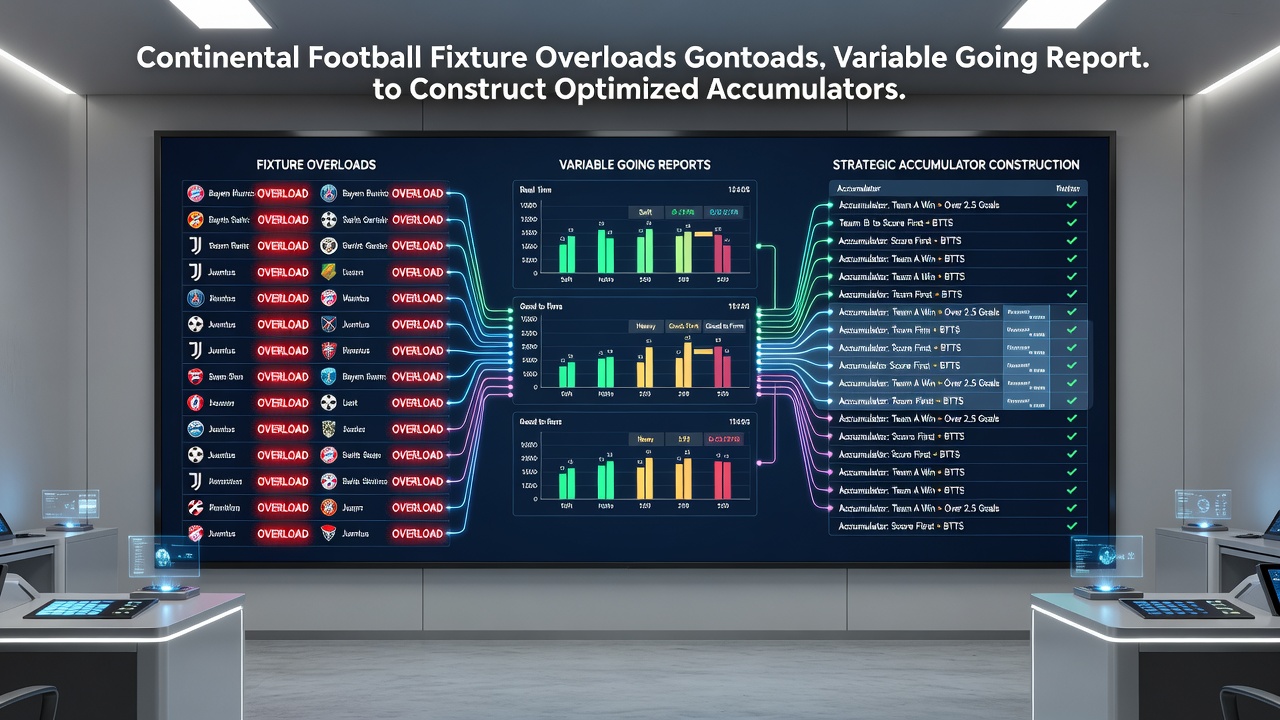
European leagues often face periods of fixture congestion when clubs juggle domestic cups, continental competitions, and international breaks, and observers note how these overloads create measurable impacts on team performance metrics such as possession retention and set-piece conversion rates. Data from major competitions reveals patterns where squads playing three matches in eight days show declines in high-intensity running distances, according to tracking studies compiled by league analysts. Meanwhile variable going reports from racing authorities track changes in turf moisture and firmness that alter horse performance predictions in events scheduled around the same calendar windows.
Understanding Fixture Overloads in Continental Competitions
Clubs competing in UEFA-organized tournaments alongside national leagues encounter repeated midweek fixtures that compress recovery time, and researchers at sports science institutes have documented corresponding rises in injury incidence during such stretches. Figures released by European club associations indicate that teams advancing deep into knockout stages average 2.4 additional matches per month compared to those eliminated early, with away travel adding further strain on squad rotation decisions. People who monitor these schedules find that overload periods cluster around late autumn and spring months, although pre-season tours and summer tournaments can generate similar demands in July when international calendars extend into the off-season for top-flight sides.
Variable Going Reports and Their Role in Racing Markets
Track officials publish going reports that classify surface conditions from firm to heavy based on rainfall and maintenance practices, and these classifications directly influence speed figures and sectional times recorded by timing systems. Industry reports compiled by racing boards across multiple continents demonstrate that horses with proven records on soft ground improve their strike rates by measurable margins when conditions shift overnight due to weather fronts. Analysts cross-reference these reports with historical performance databases to adjust probability models, while fixture overload data from football provides parallel context for bettors constructing accumulators that span both sports during overlapping event windows.
Aligning the Two Data Streams for Accumulator Construction
Strategic accumulators gain structure when bettors map periods of continental fixture density against anticipated going changes at major racing venues, and this alignment allows selection of football outcomes alongside horse races where surface conditions favor specific profiles. Studies from performance analysis firms show that teams with congested calendars record lower clean-sheet percentages in the second leg of consecutive away fixtures, creating opportunities to pair such selections with races where softer ground boosts the prospects of stamina-oriented runners. Observers note that July 2026 schedules may include extended international windows tied to global tournaments, which could intensify overload effects for club sides releasing players and simultaneously influence racing calendars through venue availability adjustments.
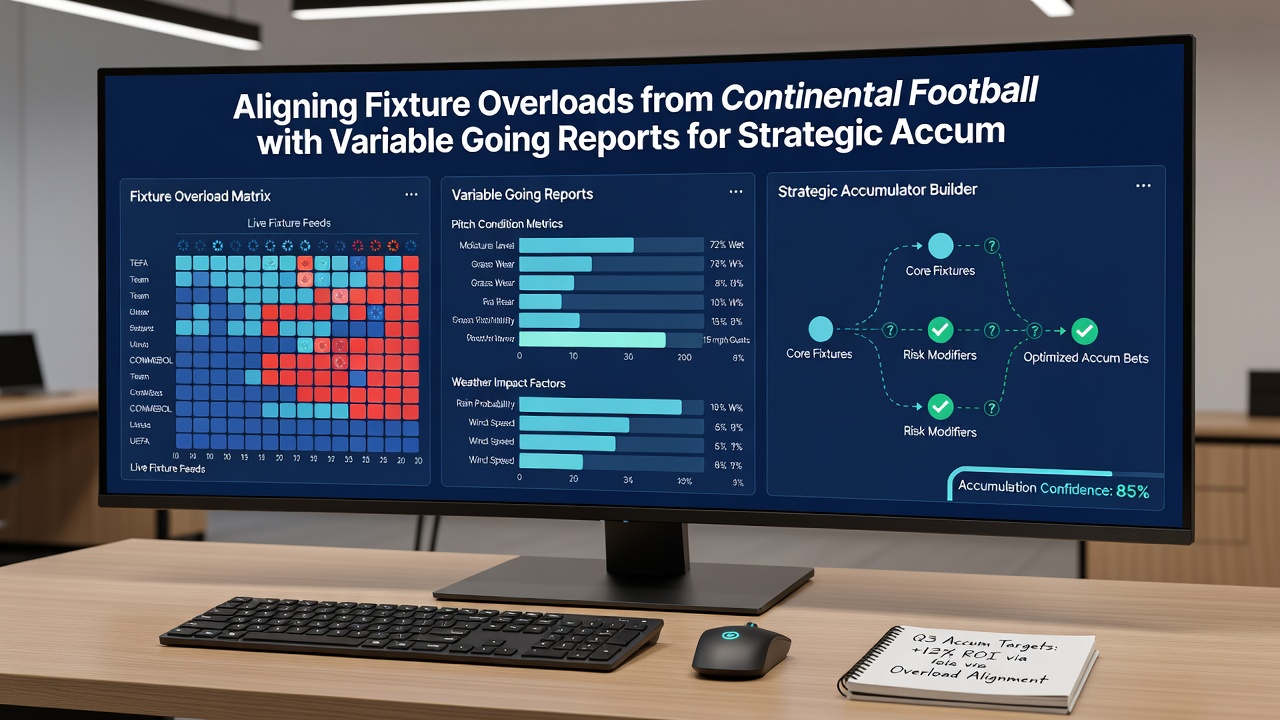
One approach involves identifying midweek football matches involving clubs that played 72 hours earlier, then matching those fixtures with races where the official going description has moved from good to good-to-soft within the preceding 24 hours. Research published by academic groups studying betting markets indicates that such paired selections exhibit lower correlation than single-sport accumulators, because football performance metrics respond to scheduling pressure while equine results react to environmental variables at the track. Those who apply this method often consult official competition calendars from continental federations alongside daily going updates issued by racing authorities to refine stake distribution across multiple legs.
Practical Integration Steps and Data Sources
Begin by listing upcoming continental football dates and flagging clubs with prior-match intervals under four days, then review published going reports for tracks hosting meetings within 48 hours of those football fixtures. Cross-check historical datasets maintained by European sports analytics providers to quantify typical performance drops during overload phases, while racing form guides supply comparable surface-specific statistics for equine selections. A report from the European Gaming and Betting Association outlines how operators compile multi-sport data feeds, and similar resources from the Australian Racing Board detail standardized going classifications used in probability modeling. These sources allow construction of accumulators that incorporate both football congestion indicators and track-condition adjustments without relying on single-category inputs.
Conclusion
Aligning fixture overload information from continental football with variable going reports supplies a structured pathway for accumulator construction that draws on independent performance variables across two sports. Data compiled by league tracking systems and racing authorities continues to expand the granularity available for such alignments, and practitioners apply these inputs during schedule windows that include both midweek football blocks and weather-sensitive racing meetings. Continued monitoring of international calendars and surface reports supports consistent refinement of selection criteria as new fixtures and meetings are confirmed.