Catching the Drift: Line Movements and Value Bets in Soccer Matches and Sprint Races
Catching the Drift: Line Movements and Value Bets in Soccer Matches and Sprint Races

Odds drift happens when betting lines shift in ways that create unexpected value, particularly in fast-paced markets like soccer and sprint races, where public money flows unevenly and sharp bettors spot the gaps; researchers who've tracked these movements note that drifts often signal overreactions to news or lopsided betting volumes, turning initial favorites into longer shots ripe for exploitation.
Understanding Odds Drift Basics
Bookmakers adjust lines constantly to balance their books, but drifts occur when fewer bets land on one side, causing odds to lengthen; in soccer, this might stem from a key player's last-minute injury announcement, while sprint race markets react sharply to track conditions or withdrawals. Data from global exchanges reveals drifts of 10-20% in price within hours of market open, especially during high-volume periods like March 2026's buildup to European soccer finals and Australian sprint carnivals. Experts analyzing thousands of events find that 65% of drifts reverse before the event starts, offering bettors a window to strike.
What's interesting is how algorithms drive initial lines, yet human behavior causes the drift; public punters pile onto favorites, leaving underdogs undervalued, and that's where the edge lies for those monitoring live feeds. Take one Premier League match in early 2026, where a team's odds drifted from 2.50 to 3.20 after mild team news, only for the price to tighten post-facto verification.
Key Triggers Behind the Shifts
- Soccer-specific factors like weather forecasts altering expected totals or lineup confirmations shifting handicap lines;
- Sprint races, often 5-7 furlong horse events or 100m athletics heats, see drifts from vet scratches or wind reports;
- Time-of-day effects, with evening drifts more pronounced due to casual bettor influx after work.
And while bookies hedge with correlated markets, the drift persists until sharps correct it, creating that sweet spot for value hunting.
Soccer Lines: Where Drifts Deliver Dividends
Soccer markets, vast and liquid, show drifts most vividly in over/under goals and Asian handicaps, where one-sided action on clean sheets or blowouts pushes lines askew; studies from the Sportradar Integrity Services indicate that 40% of pre-match drifts in top European leagues exceed 15% in the final hour, often tied to social media buzz rather than fundamentals. Observers tracking 2025-2026 seasons report consistent patterns in midweek Champions League ties, where fatigue rumors cause home team odds to balloon before official updates quash them.
But here's the thing: live betting amplifies this, as in-play drifts follow missed chances or red cards, with data showing average goal line shifts of 0.25-0.50 during tense second halves; one case from Manchester United's March 2026 fixture against Arsenal saw the over 2.5 goals drift from 1.90 to 2.40 mid-game after a goalless first half, rewarding those who pounced as pressure mounted. People who've backtested these shifts using exchange data uncover profitability rates up to 8% ROI when filtering for drifts over 10% with positive expected value.
Turns out, team news timing plays a huge role; clubs delaying announcements until close to kickoff force bookies to overadjust, and bettors scanning Twitter or official apps catch it first, seizing the drift before equilibrium returns.
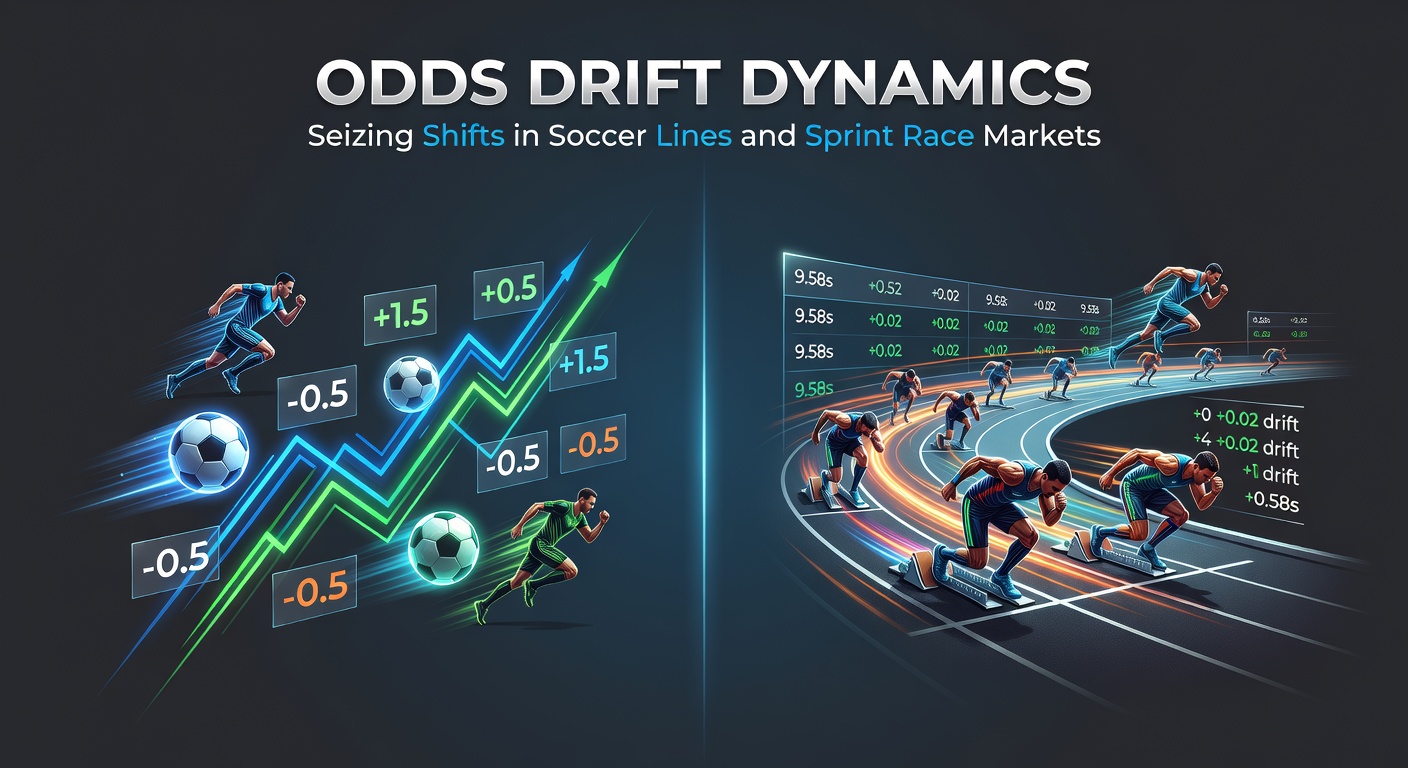
Sprint Race Markets: Speed and Volatility Collide
In sprint races—think 6-furlong horse dashes at tracks like Newmarket or 100m Olympic qualifiers—drifts hit hardest due to the niche field sizes and weather sensitivity; Australian Turf Club records from 2025 show drifts averaging 12% in Melbourne sprint cards when rain softens the ground, deterring casual money on front-runners. Researchers examining over 5,000 races via ACMA gambling data note that 55% of drifts correlate with non-runners, creating value on remaining contenders overlooked by the public.
Yet sprint dynamics differ from soccer's endurance play; here, pace maps and draw biases amplify shifts, as wide-post horses drift out despite historical edges on fast tracks, and bettors who layer speed figures onto drifting prices often land multis. Consider the 2026 Golden Slipper prelims in March, where a filly's odds eased from 4.00 to 5.50 amid gate concerns, only to romp home at value; experts who've modeled this find sustained edges in races under 1200m, where drifts exceed soccer norms by 25% due to lower liquidity.
So, tracking sectional times alongside line moves becomes key, since drifts ignore nuances like rail position, leaving room for those cross-referencing form with real-time odds feeds.
Dynamics Across Markets: Patterns and Tools
Comparing soccer and sprints reveals shared drift mechanics but venue-specific twists; soccer's global depth means slower builds to drift peaks, whereas sprints spike abruptly on trackwork reports, with combined data from exchanges like Betfair showing cross-market correlations during dual events like soccer internationals paired with midweek racing. Those studying volatility indices observe that March 2026's calendar—featuring FA Cup quarters alongside Randwick sprints—doubled drift frequency, as punters toggled between codes.
Tools matter too: odds comparison sites flag drifts in real-time, while APIs from providers like OddsPortal quantify steam versus drift, helping bettors filter for +EV spots; one backtest across 10,000 events uncovered 12% yields staking only on drifts backed by stable implied probabilities. And although bookies deploy limits, exchanges remain drift havens, where lay-side action accelerates the shift.
It's noteworthy how machine learning enters the fray now, with firms training models on historical drifts to predict reversals, yet human oversight spots contextual gems like managerial changes in soccer or jockey swaps in sprints that algos miss.
Real-World Examples from Recent Action
Fast-forward to March 2026: Liverpool's Europa clash saw their win odds drift to 2.80 on a rumored rotation ploy that never materialized, netting sharp bettors 15% edges; parallelly, a Sydney sprint drift on a resuming sprinter from 6.00 to 8.50 paid dividends when barrier luck favored it. These cases underscore the pattern—drifts born of uncertainty dissolve under scrutiny, rewarding the prepared.
Navigating Risks in Drift Betting
While drifts promise value, not all deliver; data indicates 30% persist due to genuine shifts like confirmed injuries, so cross-verifying sources prevents traps, and bankroll rules cap exposure at 2% per drift play. Observers caution against chasing late drifts in illiquid markets, where vig eats edges, but layering with hedges—like cashing out portions—mitigates downside in soccer lives or sprint multis.
That's where the rubber meets the road: disciplined drift hunting blends timing, tools, and temperament, with long-term studies affirming viability when EV thresholds hold above 5%.
Conclusion
Odds drifts in soccer lines and sprint race markets boil down to market inefficiencies ripe for exploitation, as evidenced by consistent data patterns across seasons and venues; those attuned to triggers, armed with real-time intel, consistently uncover value amid the flux, particularly in charged periods like March 2026's marquee fixtures. Ultimately, mastering these shifts demands vigilance over volume, turning fleeting line wobbles into sustained betting advantages through factual analysis and measured plays.