Blending Algorithmic Tracking with Classic Form Evaluation in Wagering Strategies

Analysts in wagering markets continue to explore ways that algorithmic systems connect with longstanding form evaluation techniques, and this integration shapes how participants position themselves ahead of major events in June 2026. Traditional form study relies on historical performance records, track conditions, and head-to-head data that have guided decisions for decades, while digital tools now supply real-time metrics such as speed ratings, possession statistics, and line movement patterns that update continuously during competition windows.
Core Elements of Traditional Form Analysis
Form evaluation begins with detailed examination of past results across specific surfaces adn distances, where observers compile notes on variables including ground conditions, pace scenarios, and jockey or managerial changes that alter expected outcomes. Researchers have documented how these manual processes identify value when public perception diverges from underlying data, and studies from institutions like the University of Nevada Reno show consistent patterns in how historical metrics predict future performance when combined with current variables. Practitioners often cross-reference multiple seasons of data to establish baselines before adjusting for short-term factors such as weather shifts or squad rotations.
Capabilities of Digital Tracking Systems
Modern platforms deliver granular information through sensors and software that capture every stride, pass completion, and market fluctuation within seconds of occurrence. These systems process large datasets to generate probability models that adjust dynamically as new information arrives, and industry reports from the European Gaming and Betting Association indicate adoption rates have risen sharply among professional operators seeking marginal edges. Data streams include sectional timing for racehorses and expected goal differentials for football matches, allowing rapid recalibration of initial assessments derived from form guides alone.
Methods for Connecting the Two Approaches
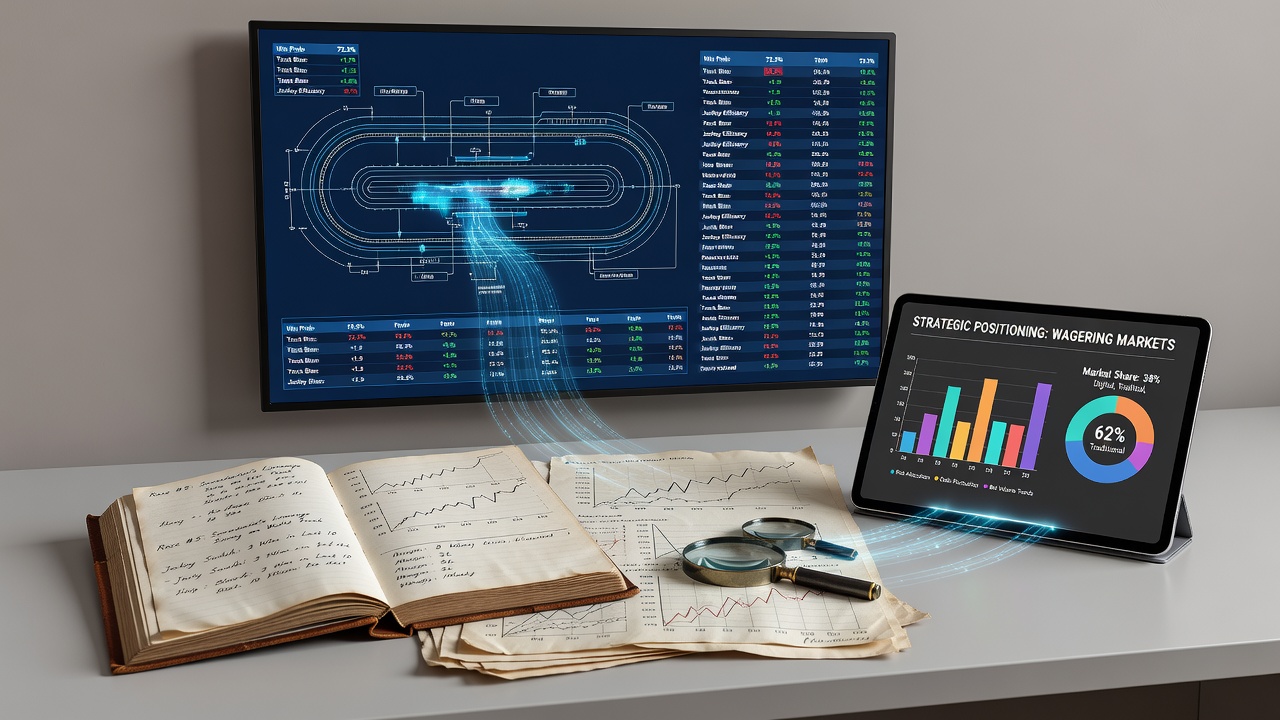
Integration occurs when analysts feed traditional form summaries into algorithmic dashboards that layer additional variables such as live odds movements and biometric readings. This creates hybrid models where historical benchmarks serve as anchors while real-time feeds refine projections, and one documented workflow involves exporting racecard statistics into software that overlays digital drift indicators to highlight discrepancies. Observers note that such layering reduces reliance on single-source inputs and instead builds layered views that account for both enduring patterns and emerging signals, particularly useful when markets react to late news ahead of June 2026 fixtures.
What's interesting is how practitioners test these combined outputs against historical benchmarks to measure accuracy gains. Teams compile datasets from previous campaigns, run parallel evaluations using form-only methods versus blended versions, and track divergence rates that reveal where digital inputs add predictive lift. Research indicates improvements appear most pronounced in volatile conditions such as changing track biases or sudden tactical shifts during matches.
Applications Across Different Markets
In thoroughbred racing, operators merge pace figures from past runs with GPS-derived speed data collected during morning workouts, producing adjusted ratings that account for both proven ability and current physical condition. Football markets see similar fusion when possession and pass-success trends from recent fixtures combine with long-term head-to-head records to flag accumulator opportunities. Those who have examined multiple seasons report that this cross-referencing helps isolate situations where public betting creates temporary mispricings relative to blended projections.
But here's the thing: timing matters when deploying these tools. Early-week analysis leans more heavily on form foundations because digital signals remain limited, whereas in-play adjustments draw primarily from tracking feeds once events begin. June 2026 schedules include overlapping racing festivals and international football windows that create compressed decision cycles, and participants who maintain pre-built hybrid templates gain speed advantages during those periods.
Measuring Outcomes and Refining Processes
Performance tracking involves logging each blended recommendation against actual results and isolating which data layers contributed most to correct calls. Figures from various operators reveal that consistent documentation of inputs and outputs supports iterative improvements, especially when external factors such as regulatory updates or venue changes occur. Academic papers published through Australian research networks have examined similar longitudinal datasets and found measurable edges when teams maintain disciplined review cycles rather than relying on ad-hoc adjustments.
Conclusion
The convergence of algorithmic tracking and established form methods continues to evolve as data availability expands and software interfaces become more accessible. Participants who establish structured routines for merging these resources position themselves to respond effectively across different event types and market conditions. Ongoing refinements based on accumulated records help maintain relevance as wagering environments shift through 2026 and beyond.