Algorithmic Synchronization in Multi-Event Arbitrage: Aligning Forecasts with Layered Wager Windows
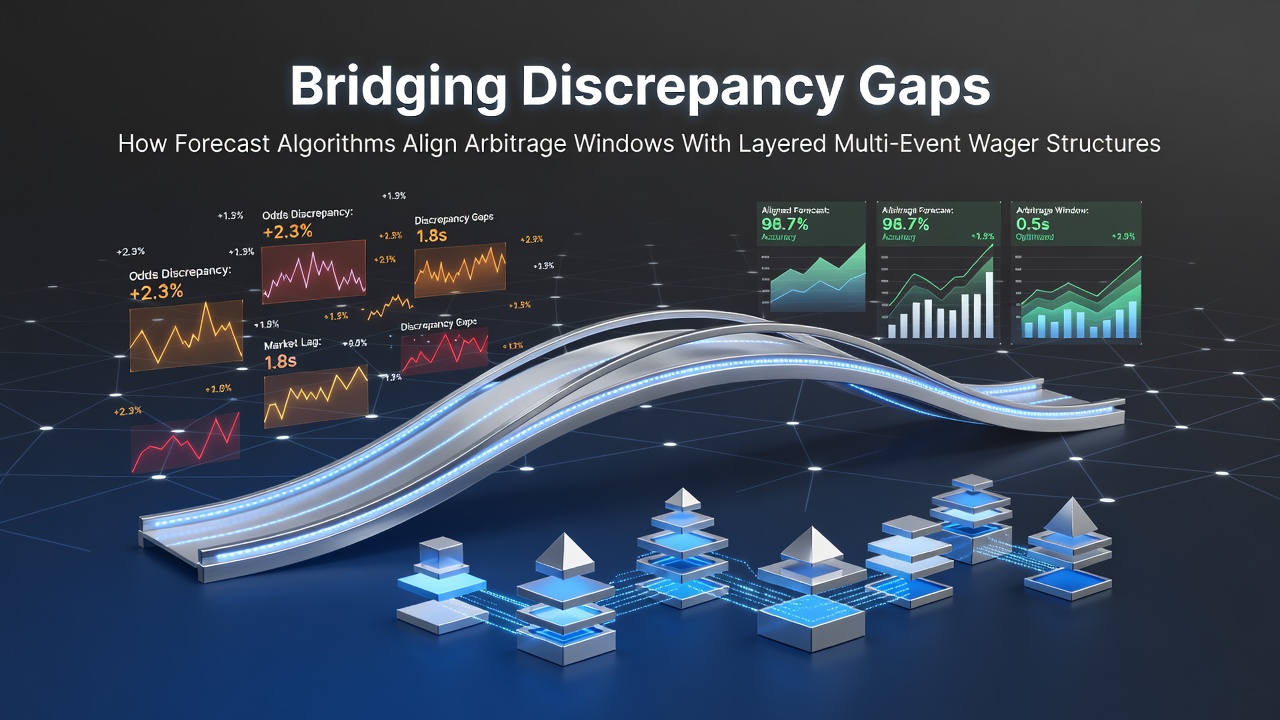
Forecast algorithms process real-time odds feeds across multiple sportsbooks to identify temporary discrepancies that create arbitrage windows in layered multi-event wager structures, and these systems combine statistical models with machine learning techniques to monitor accumulator and parlay markets where several independent outcomes must align for payout. Data from industry reports shows that such algorithms scan thousands of betting lines per second, calculating implied probabilities while accounting for bookmaker margins, and they flag opportunities when the combined odds across events exceed the threshold for risk-free profit before the window closes.
Researchers at various institutions have documented how layered wager structures introduce additional complexity because each added event multiplies the variance in probability estimates, yet modern algorithms address this by weighting historical performance data against current form indicators and external variables such as weather or team news. In July 2026 several platforms reported increased deployment of these tools in soccer and horse racing markets, where multi-event bets often present the widest gaps between bookmakers due to differing risk assessments.
Core Mechanisms of Discrepancy Detection
Algorithms begin by normalizing odds formats across operators, converting fractional, decimal, and American lines into a common probability space so that direct comparisons become possible, and they then apply ensemble forecasting methods that blend regression analysis with neural network outputs to generate expected values for each leg of a multi-event structure. When the aggregated probability from the algorithm falls below the implied probability derived from the offered odds, an arbitrage window opens, and the system alerts users or automated execution modules to place proportional stakes that lock in the margin regardless of individual outcomes.
Studies from academic sources indicate that timing plays a critical role, since these windows typically last between thirty seconds and several minutes depending on market liquidity, and layered structures shorten the viable period because any single leg adjustment can invalidate the entire calculation. Observers note that operators in regions outside the UK have begun publishing aggregated data on bet volumes, allowing researchers to correlate algorithm usage spikes with measurable shifts in line movement patterns.
Integration with Layered Multi-Event Structures
Layered multi-event wagers require algorithms to evaluate not only individual event probabilities but also covariance between legs, since correlated outcomes such as a favorite team winning and a high total score can distort standard models, and advanced systems incorporate copula functions or Monte Carlo simulations to estimate joint distributions accurately. This approach allows the forecast engine to adjust stake allocations dynamically across the structure, ensuring the arbitrage remains intact even when one bookmaker adjusts a single component mid-window.

Industry organizations including the American Gaming Association have highlighted how these tools reduce execution errors that previously eroded small margins in complex bets, and data from Canadian provincial regulators shows steady growth in multi-event product offerings that rely on similar synchronization techniques. The reality is that without precise alignment between forecast outputs and live arbitrage windows, the layered nature of these wagers amplifies small discrepancies into significant losses for manual bettors.
Practical Applications Across Markets
In horse racing and football accumulators, algorithms track speed figures alongside possession metrics to refine probability estimates for each layer, and they cross-reference these against international exchange rates when operators operate in different currencies. A study published through university research channels demonstrated that models incorporating real-time sentiment data from social platforms improved detection rates by capturing late shifts in public betting patterns that traditional statistical inputs missed.
Those who operate in these spaces often discover that regulatory frameworks in Australia and parts of teh European Union require transparency around automated betting tools, which has led developers to build audit trails that log every forecast adjustment and stake recommendation. Such documentation supports compliance while allowing continued refinement of the underlying alignment processes.
Conclusion
Forecast algorithms continue to evolve in their capacity to bridge discrepancy gaps by synchronizing predictive outputs with fleeting arbitrage opportunities inside layered multi-event wager structures, and ongoing data collection from multiple jurisdictions supports further integration of machine learning refinements. The mechanisms described rely on speed, accuracy, and cross-market correlation analysis to maintain viability, while external sources provide the benchmarks against which performance is measured.